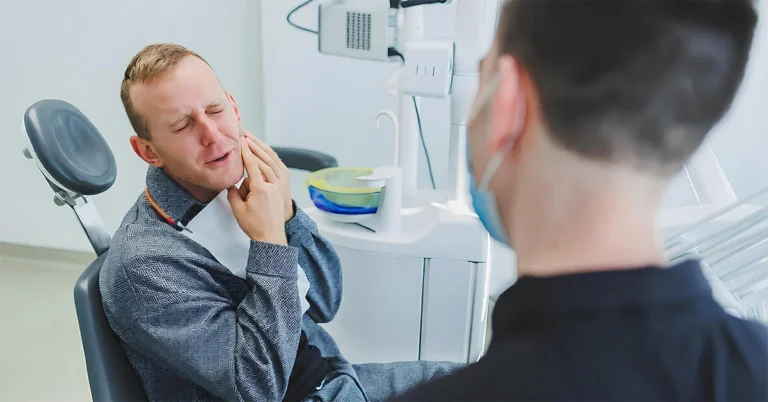


Most parents figure out something is wrong with their child’s teeth when the pain starts. A cavity that requires a pediatric filling, a tooth that had to be pulled, a child who will not eat because chewing hurts. None of those feel like small problems when your kid is in the chair. The frustrating part is that the majority of those situations did not have to happen. That is what preventive dental care for children is built around.
At Bloomington Family Dental, we work with Bloomington families every day to stay ahead of problems before they turn into painful, expensive ones. The sooner children start getting consistent care, the better their odds of making it through childhood without serious dental work. That is not a guess. It is just what the pattern looks like when you see enough patients over time.
Here is something most people do not know: children’s teeth are not just smaller adult teeth. They are more porous, they decay faster, and they are still shaping the jaw structure that determines how permanent teeth will come in. Children’s preventive dental care is not something you can put off until a problem shows up. By the time decay is visible without an X-ray, it has usually already been sitting there long enough to require treatment.
This guide covers what preventive pediatric dental care actually involves, when to start, which treatments are used, and how families can make it work without cost becoming a barrier. If your child has not been to the dentist yet, or if visits have slipped, read through this before you decide to wait any longer.
When Should Children Start Seeing a Dentist?
Dental associations recommend a child’s first dental visit by their very first birthday, or at least within the first 6 months after the first tooth appears, regardless of the type of tooth. Many parents hear that and think it sounds excessive. A one-year-old at the dentist?
That reaction makes sense, but those early visits are not about treatment. They are about getting a baseline, spotting anything unusual in how teeth are developing, and walking parents through what to actually do at home for a child that age. Most parents brushing a one-year-old’s teeth are guessing. We show you what works.
Those early visits also do something less obvious but genuinely important: they help kids feel comfortable in a dental environment before they have any reason to be scared of it. Children who grow up coming to the dentist regularly are far less likely to need managing later. The kids who arrive at age seven, already terrified, usually had their first visit triggered by a problem.
What Preventative Pediatric Dental Visits Actually Include
Preventive pediatric dental visits are more thorough than many parents expect. A routine checkup at our Bloomington office covers:
- Comprehensive oral exam: Every tooth, the gums, the bite, and the soft tissues. We are looking for anything that does not belong.
- Dental X-rays (when clinically needed): These show what is happening between teeth and under the gum line. Much of the early decay is invisible without them.
- Professional cleaning: Even children who brush well build up plaque and tartar in spots a toothbrush misses. We clear all of it.
- Fluoride treatment: A topical fluoride application takes a few minutes and makes enamel more resistant to acid. It can also slow down very early decay before it becomes a cavity.
- Dental sealants (when appropriate): A thin coating applied to the grooves on back teeth where most childhood cavities form. If you want to fully understand this option, we have a detailed post that walks through the pros and cons.
- Oral hygiene instruction: We talk with the child and the parent about brushing, flossing, and which habits are quietly doing damage.
- Cavity risk assessment: Every child has a different risk profile based on diet, genetics, tooth anatomy, and hygiene habits. We figure out where your child sits and adjust our approach from there.
These are the appointments that catch a small problem at the six-month mark instead of a big one at the next visit. That is the value of consistently provided preventive pediatric dental care.
Why Baby Teeth Matter More Than Most Parents Realize
The most common thing we hear from parents of young kids is some version of “it’s just a baby tooth.” It is an easy conclusion to reach, and it is wrong in ways that cost families real money and their kids real discomfort.
Baby teeth do actual work. They help children chew properly, which affects nutrition. They shape how children form sounds and words during the years when speech develops. And they hold space in the jaw for permanent teeth. When a baby tooth is pulled early because of decay or infection, the teeth on either side move into that gap. The permanent tooth then has nowhere to come in straight, and you are looking at orthodontic treatment that was not necessary before.
Untreated cavities in baby teeth can also reach the nerve and spread infection to the developing permanent tooth underneath. That is a harder problem to solve. And separate from all of that, a child with tooth pain is a child who is not sleeping well, not eating well, and struggling to focus at school. Pediatric dental prevention is not about protecting teeth for their own sake. It is about protecting your child’s day-to-day quality of life right now and their dental future.
Preventive Treatments We Use to Protect Young Teeth
Good preventive dentistry for children combines professional treatments with consistent at-home habits. On the clinical side, here is what we actually use:
- Fluoride treatments happen at routine visits and take a few minutes. Fluoride bonds with enamel and makes it harder for acid to break it down. For children at higher risk of cavities, this is one of the simplest and most effective tools we have.
- Dental sealants are placed as a top coat on the chewing surfaces of the molars, where the grooves are deep and hard to clean. A resin material fills those grooves and cuts off the environment where bacteria and food collect. Sealants typically last several years, and we check them at every visit.
- Deep cleanings are not only for adults. If we see gum inflammation or buildup that a routine cleaning will not fully address, we treat it. Letting it sit does not help.
- Dietary counseling is part of every visit. Juice, sports drinks, gummy snacks, and constant snacking are some of the biggest drivers of childhood tooth decay. Most families do not realize how much the timing and frequency of eating matter, not just what is eaten. We walk through it practically, so you leave with something you can actually use.
That combination is what preventive pediatric dental treatment looks like in practice. No single piece of it is complicated, but together they make a real difference.
How Often Should Children Come In?
| Age Range | Recommended Visit Frequency | What We Focus On |
|---|---|---|
| 12 months to 3 years | Every 6 months | First teeth, bottle habits, early decay risk |
| 3 to 6 years | Every 6 months | Primary teeth, sealant readiness, bite development |
| 6 to 12 years | Every 6 months | Permanent teeth, sealants on molars, orthodontic monitoring |
| 12 to 18 years | Every 6 months | Wisdom teeth, gum health, hygiene habits |
Six months is the standard interval because that is roughly how long it takes for small problems to become meaningful ones. A cavity caught at a checkup is a short appointment. The same cavity, caught six months later because visits were skipped, is likely a longer, more uncomfortable one. Children with a higher baseline risk for cavities may need to come in more often, and we will tell you clearly if that applies to your child.
Making Preventive Dental Care Affordable for Your Family
Cost is one of the main reasons families delay children’s dental visits. We hear about it regularly. So here is a direct answer: routine preventive visits are almost always the least expensive thing on the dental care menu. A checkup and cleaning cost significantly less than a filling. A filling costs significantly less than a crown or an extraction. Waiting is not saving money. It is bringing trouble.
For families looking at affordable preventive dental care plans for children, we offer an in-house membership plan that covers routine preventive visits and includes discounts on other treatments. It is built for families who do not have dental insurance, or whose coverage leaves too much of the bill uncovered. No complicated claims process. Just straightforward access to the care your child needs.
If you’re not insured, most plans cover children’s preventive visits at 100%, including the exam, X-rays, and cleaning. If that coverage is sitting unused, your child is not getting the benefit you are paying for. And if coverage is not an option, the membership plan makes affordable preventive dental care plans for children workable for families across Bloomington.
What Parents Can Do at Home Between Visits
Preventive pediatric dental care yields much better results when home habits are solid. Here is what actually makes a difference at each stage:
- Infants: Wipe your kids’ gums with a clean damp cloth after feedings. Once the first tooth comes in, use a soft infant toothbrush with a rice-grain-sized smear of fluoride toothpaste.
- Toddlers (ages 2 to 3): You should brush their teeth 2x a day with a pea-sized amount of fluoride toothpaste and a gentle brush. Parents need to do the brushing. Children this age do not have the coordination to do it themselves, regardless of how confidently they try.
- Ages 6 to 12: This is when to introduce flossing. Any teeth that are touching cannot be cleaned by brushing alone. Supervised brushing still helps at this age, even if kids resist it.
- Teenagers: Regular brushing and flossing, and real awareness of energy drinks and soda. These beverages are acidic enough to erode enamel quickly, and teenagers drink a lot of them.
Genetics, Family History, and Your Child’s Cavity Risk
Something that catches parents off guard is that cavity risk is not just about how well a child brushes. Genetics is a real factor. The thickness and composition of enamel, the natural bacterial balance in the mouth, and even the shape of teeth and grooves are all partly inherited. If you have had extensive dental work, your child may have a higher starting risk.
That does not mean problems are unavoidable. It means pediatric dental prevention needs to be a bit more deliberate. We covered this in more depth in our post on how teeth genetics affect your oral health. Knowing your family history gives us useful context from the first visit.
Your Child’s Smile Deserves a Head Start
Preventive dental care for children is not about over-engineering a child’s dental routine. It is about not finding out the hard way that waiting was expensive. The kids we see who go through childhood with the fewest dental problems are the ones whose parents brought them in early and kept coming back. The pattern is consistent enough that it is not really a coincidence.
We have seen kids arrive at age six with decay that started at two. We have also seen kids who have been coming in since their first tooth and go through their whole childhood without a single cavity. Starting early matters. Staying consistent matters more.
Our children’s dental services are designed to make every visit feel manageable for both the child and the parent. We serve families from across Bloomington, and we are straightforward with you about what your child needs and what can wait.
Your Kid Only Gets One Set of Permanent Teeth. Let’s Protect Them Together!
If your child has not been to the dentist yet, or it has been more than six months since their last visit, this is a good time to schedule an appointment. First visits are low-pressure. We move at the child’s pace and make sure you leave understanding exactly what is going on with your child’s teeth.
Frequently Asked Questions
When should my child’s first dental visit happen?
By their first birthday, or within six months of the first tooth coming in. The goal of that first visit is not treatment. It is getting a baseline, checking how things are developing, and making sure you know what to do at home for a child that age.
How often do children need to go to the dentist?
Every six months for most children. Some kids with higher cavity risk need to come in more often. We will tell you clearly whether that applies to your child after the first exam.
Are dental X-rays safe for children?
The radiation exposure from modern dental X-rays is very low, and we use protective equipment during every one. We also only take X-rays when there is a clinical reason, not on a fixed schedule regardless of what is needed.
What is the difference between preventive and restorative dental care?
Preventive pediatric dental care is about stopping problems before they start: cleanings, fluoride, sealants, regular exams. Restorative care treats problems that are already present, such as fillings, crowns, and extractions. Prevention costs less, takes less time, and is a lot more comfortable for your child.
Do dental sealants hurt?
Not at all. There is no drilling involved and no numbing needed. The process takes a few minutes per tooth.
What if my child is scared of the dentist?
Very common, and something we work with regularly. We take a slow, patient approach with anxious kids and never rush the process. The best way to prevent dental anxiety from becoming a lasting issue is to start visits early, before a child has had a stressful experience to anchor their expectations to.
Does dental insurance cover preventive visits for children?
Most plans cover routine preventive visits for children at 100%, including the exam, X-rays, and cleaning. Coverage details vary, so it is worth checking your specific plan. If you are not currently insured, ask us about our membership plan.
Are affordable preventive dental care plans for children available at your office?
Yes. Our in-house membership plan covers routine preventive visits and includes discounts on other treatments. It is a practical option for families without dental insurance or those whose coverage leaves significant gaps. Ask us about it at your next visit or call the office, and we can walk you through the details.