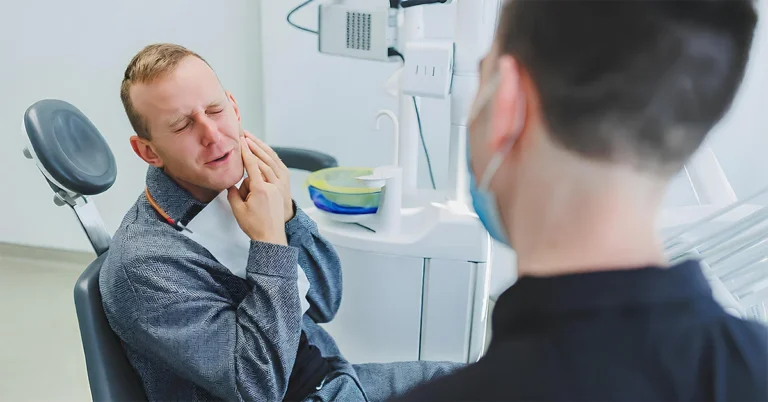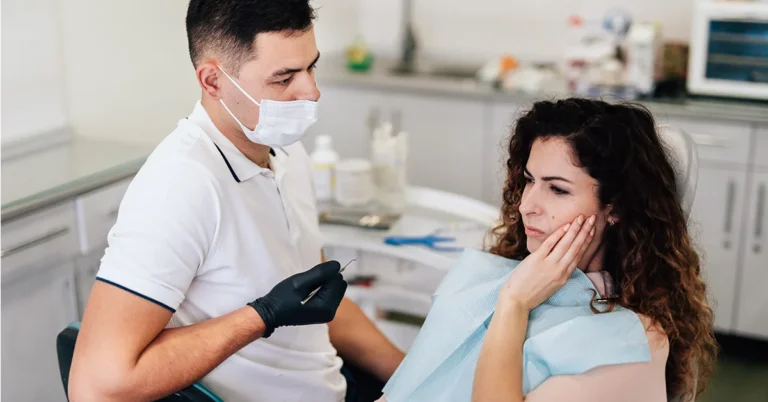


Stress can affect more than your mood. For some people, periods of stress also come with clenched teeth, headaches, or an aching jaw. If you’ve noticed your jaw feels more uncomfortable when life gets stressful, there may be a connection between TMJ and stress. The temporomandibular joint (TMJ) is the joint that connects your lower jaw to your skull and allows you to open, close, and move your jaw. Problems affecting this joint and the surrounding muscles are known as temporomandibular disorders (TMD).
Stress itself does not necessarily mean you have TMD, but the way your body responds to stress can put additional strain on the jaw. Understanding that connection can help you recognize habits that may be contributing to your discomfort and know when it may be time to talk to your dentist.
Why Does My Jaw Hurt When I’m Stressed?
When you’re stressed, muscles throughout your body can become tense, including the muscles surrounding your jaw. This tension can leave those muscles feeling tired or sore, particularly after a stressful day. If you’re experiencing a sore jaw, stress may be one factor worth considering, especially if the discomfort tends to appear or worsen during stressful periods.
Stress can also contribute to clenching or grinding your teeth, a condition known as bruxism. Teeth grinding can happen while you’re awake or asleep, and because you may not always realize you’re doing it, teeth grinding from stress may first become noticeable through symptoms such as:
- Jaw soreness or tightness
- Facial muscle fatigue
- Headaches, particularly around the temples
- Tooth sensitivity
- Flattened, chipped, or worn teeth
- Tightness or discomfort when you wake up
The relationship between grinding teeth and stress can also become cyclical. Increased stress may lead to more jaw tension, clenching, or grinding, which can further strain the jaw muscles and contribute to ongoing discomfort.
How Can I Tell If My Jaw Pain Is From Stress?
Think about when your symptoms occur. Does your jaw become sore during busy or stressful periods? Do you catch yourself clenching your teeth while working, driving, or concentrating? Do you wake up with jaw tightness after a restless night? These patterns can provide clues that stress-related muscle tension or clenching may be contributing to your discomfort.
Can You Develop TMD From Stress?
As mentioned earlier, temporomandibular disorders (TMD) are conditions that affect the joints connecting your lower jaw to your skull. Stress isn’t the only possible contributor to TMD, but it can lead to behaviors that strain the jaw and may contribute to the development or worsening of TMD symptoms. You may tighten your facial muscles, clench your jaw during the day, or grind your teeth while sleeping without realizing you’re doing it. Over time, this added strain may contribute to jaw muscle fatigue, soreness, headaches, and other TMD symptoms.
But this doesn’t mean TMD from stress is necessarily the culprit. Recurring jaw pain can have several causes. So, can stress cause TMD? Possibly, but you won’t know for sure without a dental evaluation.
What Are Other Signs of TMD?
Jaw pain isn’t the only symptom of TMD. Depending on what’s affecting the joint or surrounding muscles, symptoms may include:
- Pain or tenderness around the jaw
- Difficulty or discomfort when chewing
- Clicking, popping, or grinding sounds in the jaw
- Limited jaw movement or locking
- Facial pain
- Headaches
- Pain around the ear
- Changes in how your upper and lower teeth fit together
A clicking or popping jaw doesn’t automatically mean you have TMD stress symptoms, particularly when there is no pain or limited movement. However, if you’re experiencing jaw pain when you’re stressed, pay attention to whether these symptoms appear or become more noticeable during stressful periods.
What Can You Do About Stress-Related Jaw Tension?
Becoming aware of jaw tension is a useful first step. During the day, check whether you’re unnecessarily holding your teeth together. When your jaw is relaxed, your upper and lower teeth generally shouldn’t be clenched together.
Other simple measures that may help reduce strain include temporarily avoiding very chewy or hard foods when your jaw is sore, limiting habits such as gum chewing, and using relaxation techniques to reduce muscle tension. Addressing stress itself through exercise, adequate sleep, relaxation techniques, or other healthy coping strategies may also help reduce stress-related clenching.
When Should You See a Dentist for Jaw Pain?
Occasional jaw tension during a stressful week may improve as the tension subsides. But pain that keeps returning, interferes with eating or speaking, or is accompanied by limited jaw movement deserves attention. You should also consider seeing a dentist if you regularly wake up with jaw pain or headaches, notice signs of tooth wear, or suspect you’re grinding your teeth.
You don’t have to assume a sore jaw is simply something that comes with being stressed. If jaw pain, clenching, or teeth grinding has become a recurring problem, Bloomington Family Dental in Bloomington, MN can evaluate your symptoms and help determine what may be contributing to them.
Book an appointment with Bloomington Family Dental to learn more about TMJ and stress and what you can do to protect your jaw and teeth.
FAQs About TMJ and Stress
Can stress make existing TMJ symptoms worse?
Yes. Stress can increase muscle tension and behaviors such as jaw clenching, which may aggravate existing TMD symptoms. Some people notice that their jaw discomfort becomes more noticeable during particularly stressful periods.
Can anxiety cause jaw tension without teeth grinding?
Yes. Stress or anxiety can cause the muscles around the jaw to tighten even if you are not actively grinding your teeth. Holding your jaw tense for extended periods can contribute to soreness and muscle fatigue.
How long can stress-related jaw pain last?
The duration can vary depending on what is causing the discomfort and whether the source of tension continues. Mild jaw soreness associated with a stressful period may improve as the tension decreases, while persistent or recurring pain should be evaluated by a dentist.
Can stress cause your jaw to click or pop?
Stress itself does not directly cause a clicking or popping jaw. However, increased jaw tension or clenching during stressful periods may make existing jaw joint symptoms more noticeable.
Can stress cause jaw pain on only one side?
Stress-related muscle tension or clenching may cause discomfort that feels stronger on one side of the jaw. However, one-sided jaw pain can have other dental or medical causes, so persistent or worsening discomfort should be evaluated.