

Sleep Apnea Treatment
Professional Obstructive Sleep Apnea Treatment in Bloomington, MN
Most patients with sleep apnea in Bloomington, MN, have been ignoring the symptoms for years because they have not found a solution nearby for sleep apnea treatment. The snoring, the tired mornings, the headaches that greet you before the day even starts. Dr. Brian Gray can confirm whether you are experiencing signs of sleep apnea and advise you on treatment options.
What Is Sleep Apnea and How Is It Treated?
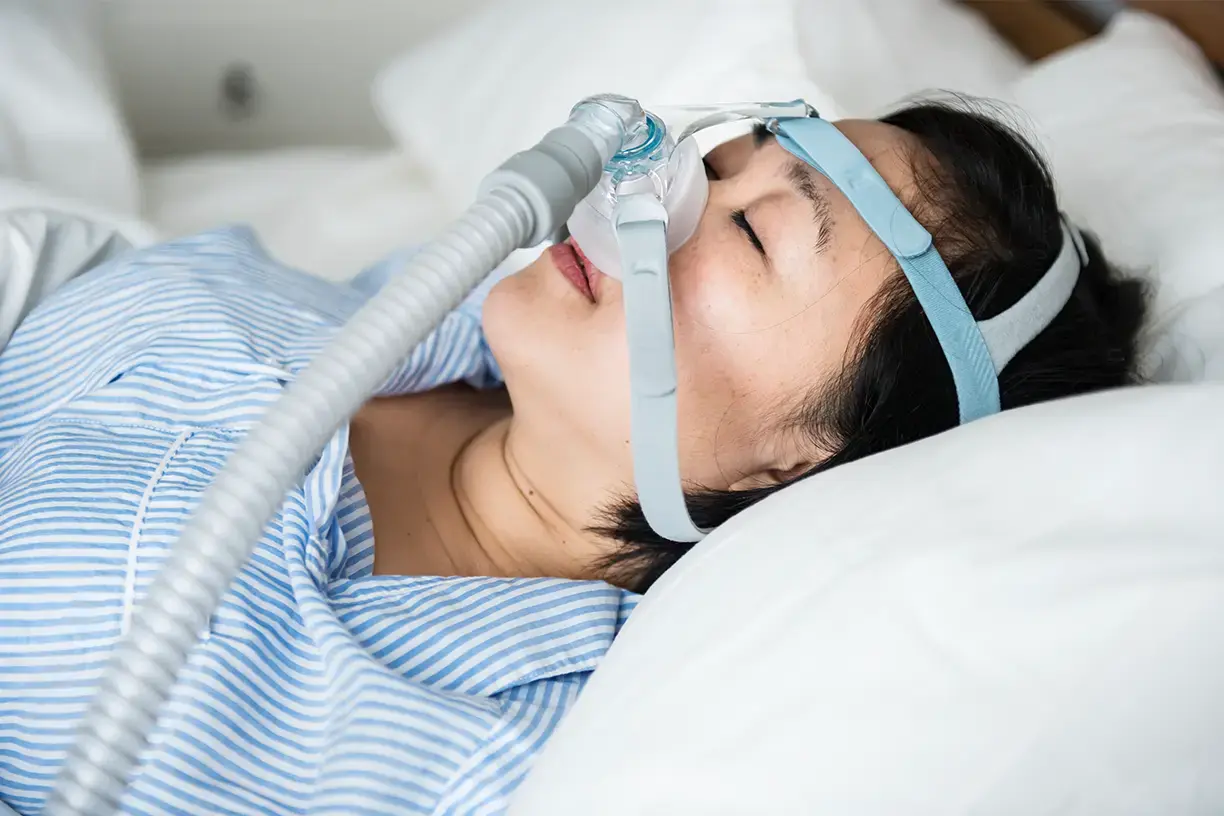
In this medical condition, your breathing stops and starts while you sleep. The most common type, obstructive sleep apnea, occurs when the soft tissues in your throat frequently relax and block your airway. Your brain wakes you just enough to breathe again, then it happens again. Most people never realize it is happening unless they are familiar with the problem or have read an article or two about dental conditions.
Sleep apnea treatment does not always mean a CPAP machine. For mild to moderate cases, a custom oral appliance holds your jaw slightly forward while you sleep, keeping the airway open. It is small, quiet, and most patients notice the difference within a few weeks of wearing it.
Types Of Sleep Apnea
There are three types, but one is far more common than the others.
Obstructive Sleep Apnea (OSA)
The most common type. Throat muscles relax during sleep, physically blocking the airway. A dentist can treat this type of sleep apnea.
Central Sleep Apnea (CSA)
Less common. The airway is clear, but the brain fails to send the right signal to the breathing muscles. The treatment requires proper medical management.
Complex Sleep Apnea
A combination of both. Usually identified when central apnea events persist even after obstructive ones are treated with CPAP.
Signs of Sleep Apnea
Sleep apnea mostly happens while you sleep, so the signs show up in how you feel the next day.
- Loud Snoring: Frequent snoring with gasping or choking sounds during sleep.
- Morning Headaches: Waking up with a dull headache most days from low overnight oxygen.
- Daytime Fatigue: Exhausted after a full night of sleep, or dozing off during the day.
- Dry Mouth: Getting up from sleep with a dry or sore throat from mouth breathing all night.
- Teeth Grinding: Jaw soreness or worn enamel in the morning from overnight clenching.
- Restless Sleep: Waking up repeatedly through the night without a clear reason.
Risks of Untreated Sleep Apnea to Your Oral Health
Sleep apnea does not stay a sleep problem. Every night it goes untreated, it causes real wear on your teeth, jaw, and gums.
- Enamel Erosion: Chronic jaw clenching from sleep apnea gradually grinds down your enamel. Once it is gone, it does not grow back.
- Cracked Teeth: The pressure from nightly grinding can fracture molars and break existing fillings, often without any warning or pain at first.
- Jaw Joint Damage: Constant clenching strains the temporomandibular joint (TMJ), causing jaw pain, clicking, and stiffness that gets worse without treatment.
- Dry Mouth: Breathing through your mouth during sleep reduces saliva flow, which speeds up tooth decay and increases your risk of gum infections.
- Gum Recession: Ongoing inflammation and bacterial buildup wear down the gum line over time, potentially leading to periodontal disease if left untreated.
Benefits of Sleep Apnea Treatment
- Sounder Sleep: Fewer breathing interruptions through the night means you wake up feeling like you actually rested.
- Lower Health Risk: Treating obstructive sleep apnea lowers your long-term risk of high blood pressure, heart disease, stroke, and type 2 diabetes.
- Fewer Headaches: Oxygen stays steadier through the night, and the morning headaches tend to stop showing up.
- Less Teeth Grinding: Airway restriction causes jaw clenching at night. Treating the cause relieves pressure on your teeth.
- Sharper Days: Consistent sleep restores focus and patience in ways that quietly add up over time.
- No Mask Needed: A custom oral appliance works well for patients who cannot tolerate a CPAP mask or simply prefer an alternative.
Sleep Apnea Treatment at Bloomington Family Dental
Dr. Brian Gray treats sleep apnea because the mouth is often where the damage surfaces first. Here is how Bloomington Family Dental approaches it.
- Oral Exam: A full assessment of your jaw, airway, bite, and enamel for signs of sleep-disordered breathing before any treatment is recommended.
- Sleep Study Referral: A formal diagnosis through polysomnography or a home sleep test is required, and we help coordinate that process for you.
- Custom Oral Appliance: A mandibular advancement device built from precise impressions of your teeth, fitted specifically to your mouth.
- Fitting and Adjustment: Follow-up visits fine-tune the appliance until it is both comfortable and functioning as intended.
- Ongoing Care: Appliance condition and oral health are checked at your regular visits, so nothing gets missed over time.
Restore Your Health By Treating Sleep Apnea At Your Earliest!
You do not need to keep wondering whether what you are feeling is sleep apnea. One honest conversation with Dr. Gray will tell you what is going on and whether sleep apnea treatment is the right next step. Before visiting us, also explore our membership perks for treatment coverage. Most patients wish they had come in sooner.
FAQS
About Sleep Apnea Treatment
What is sleep apnea?
This is a medical condition where your breathing is repeatedly interrupted while you are asleep. It lowers your oxygen levels and breaks up your sleep quality, usually without you remembering it the next morning.
What are the different types of sleep apnea?
Yes, there are 3 of them. Obstructive sleep apnea is the most common and happens when throat tissue physically blocks the airway. Central sleep apnea is less likely and occurs when the brain doesn’t coordinate well with your breathing muscles. Complex sleep apnea has all the symptoms of the other 2 types.
How is sleep apnea related to oral health?
The obstructive sleep apnea (OSA) causes jaw clenching and teeth grinding during sleep, which wears down enamel and can crack teeth over time. It also dries out the mouth, which accelerates the rate of tooth decay and heightens the risk of gum infections and diseases.
Can a family dentist treat sleep apnea?
Yes, specifically for obstructive sleep apnea. A trained, specialized sleep apnea dentist in Bloomington, familiar with oral appliance therapy, can help you get a custom device to keep your airway open during sleep.
Where should I go for sleep apnea treatment in Bloomington?
Bloomington Family Dental offers sleep apnea treatment in Bloomington, MN, for adults and children. At our practice, we evaluate your oral health, arrange sleep study referrals when needed, and fit a custom appliance once you have a confirmed diagnosis.
Is sleep apnea treatment invasive?
Not at all. Oral appliance therapy involves no surgery, drilling, or anesthesia. The procedure is non-invasive. You just need to wear the device only while you sleep, and most patients are comfortable with it after 2-4 weeks of use.
FAQS About
Sleep Apnea Treatment
What is sleep apnea?
This is a medical condition where your breathing is repeatedly interrupted while you are asleep. It lowers your oxygen levels and breaks up your sleep quality, usually without you remembering it the next morning.
What are the different types of sleep apnea?
Yes, there are 3 of them. Obstructive sleep apnea is the most common and happens when throat tissue physically blocks the airway. Central sleep apnea is less likely and occurs when the brain doesn’t coordinate well with your breathing muscles. Complex sleep apnea has all the symptoms of the other 2 types.
How is sleep apnea related to oral health?
The obstructive sleep apnea (OSA) causes jaw clenching and teeth grinding during sleep, which wears down enamel and can crack teeth over time. It also dries out the mouth, which accelerates the rate of tooth decay and heightens the risk of gum infections and diseases.
Can a family dentist treat sleep apnea?
Yes, specifically for obstructive sleep apnea. A trained, specialized sleep apnea dentist in Bloomington, familiar with oral appliance therapy, can help you get a custom device to keep your airway open during sleep.
Where should I go for sleep apnea treatment in Bloomington?
Bloomington Family Dental offers sleep apnea treatment in Bloomington, MN, for adults and children. At our practice, we evaluate your oral health, arrange sleep study referrals when needed, and fit a custom appliance once you have a confirmed diagnosis.
Is sleep apnea treatment invasive?
Not at all. Oral appliance therapy involves no surgery, drilling, or anesthesia. The procedure is non-invasive. You just need to wear the device only while you sleep, and most patients are comfortable with it after 2-4 weeks of use.